
What an LED face mask is
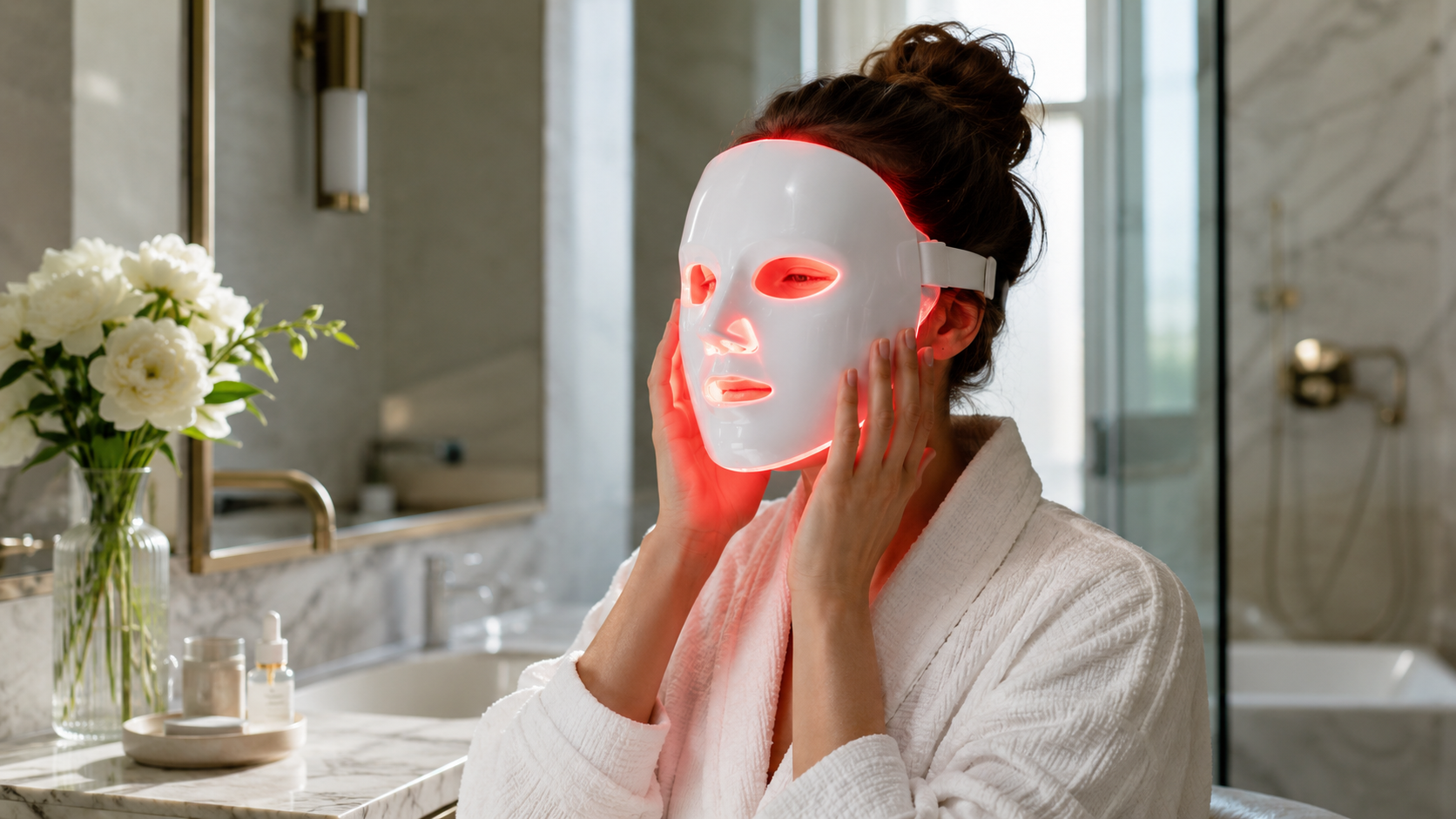
An LED face mask is a wearable device that emits light at specific wavelengths directly onto the skin. Different light colors are marketed for different cosmetic concerns. Red light is commonly associated with skin texture, blue light is often linked to acne-prone skin, and near-infrared light is used in devices designed to reach deeper layers.
These masks are made for regular at-home use, usually for a few minutes per session. They do not replace professional skincare or medical advice, but they can complement a routine when the device, fit, and schedule suit the user.
As an Amazon Associate I earn from qualifying purchases.
Quick Picks: LED Face Masks to Compare
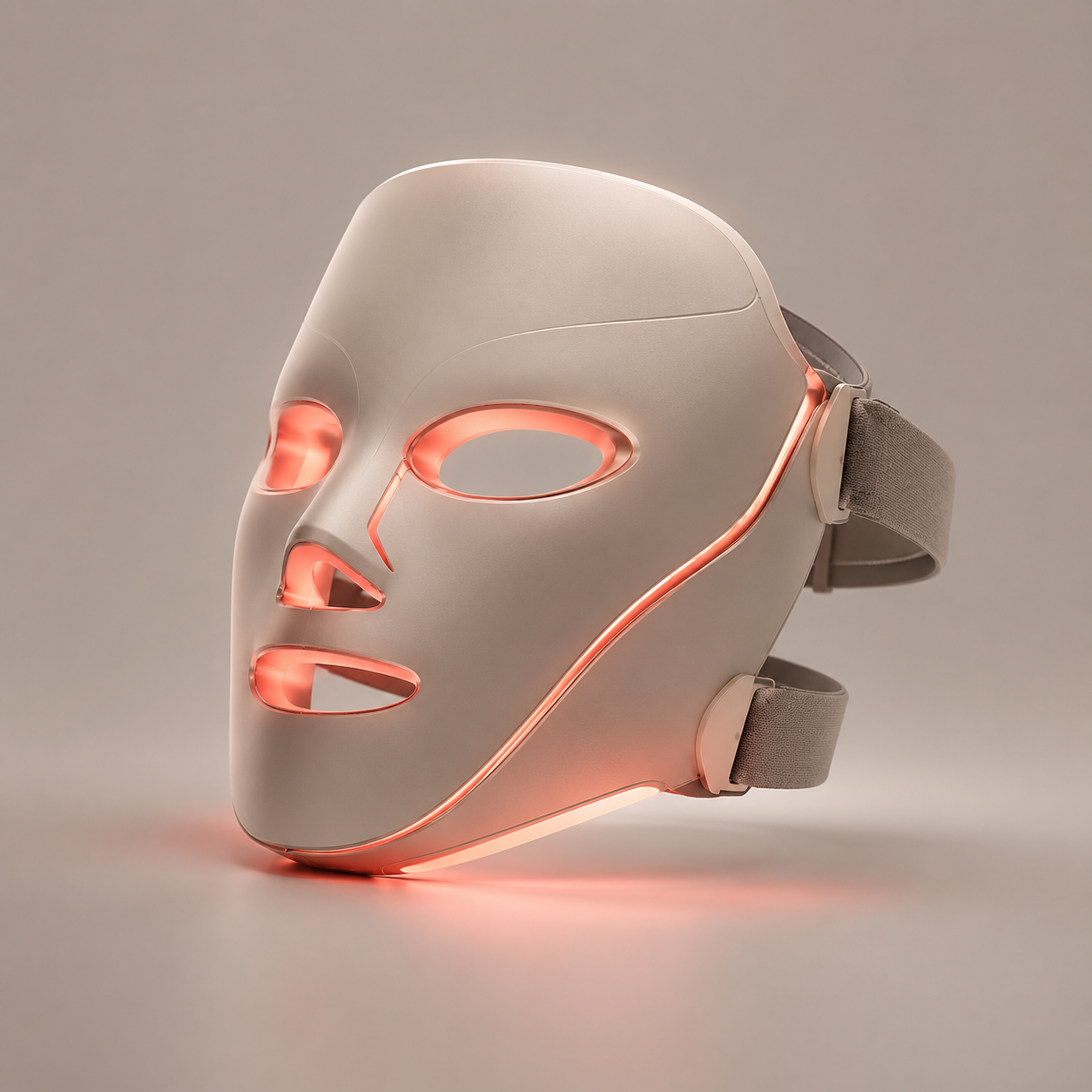
iRestore LED Face Mask
Best for: Readers who want a premium, hands-free mask with several light modes.
Its broader feature set may suit someone building LED use into a regular skincare routine.
INIA Glow 4D Wireless Red Light Therapy Mask
Best for: Readers who value a cordless format and flexible routine use.
Its wireless design may be easier to fit into a routine that is not tied to one room or outlet.
NEWKEY 4D LED Red Light Therapy Mask
Best for: Beginners comparing a straightforward mask with more premium alternatives.
Its red and blue light positioning makes it a useful reference point for first-time shoppers.
LED Face Mask Comparison
| Product | Best for | Routine fit | Who should skip it | CTA |
|---|---|---|---|---|
| iRestore LED Face Mask | Premium multi-mode use | Regular hands-free sessions | Shoppers who want a basic entry-level option | Shop on Amazon |
| INIA Glow 4D Wireless Mask | Cordless convenience | Flexible routines and travel | Readers who prefer a minimal single-mode device | Shop on Amazon |
| NEWKEY 4D LED Mask | First-time comparison | Simple red and blue light routine | Readers seeking a cordless premium silicone design | Shop on Amazon |
What to compare before buying
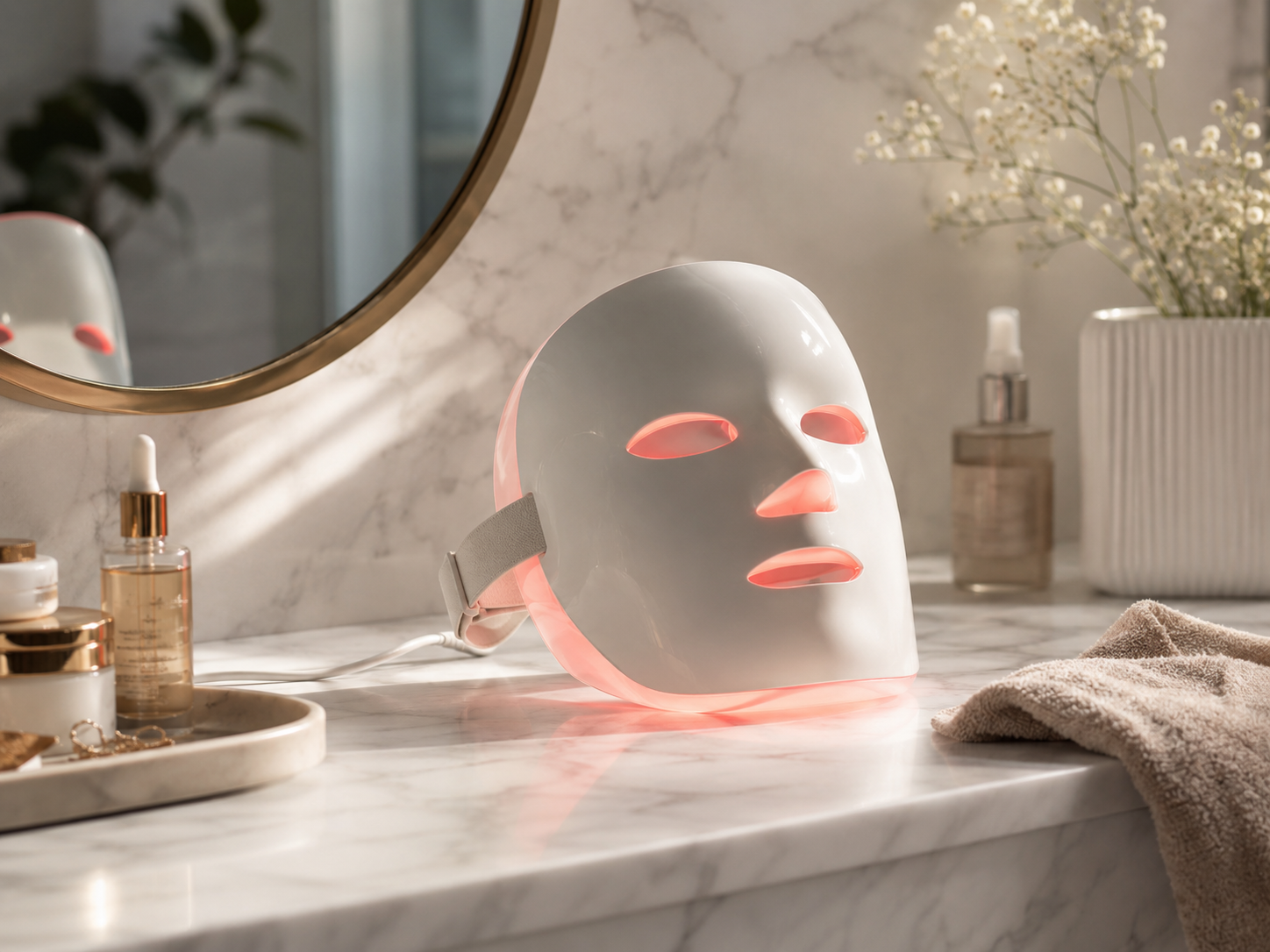
The LED mask market varies widely in light modes, fit, controls, and safety guidance. The right choice is not necessarily the device with the longest feature list. It is the one that matches your routine and is comfortable enough to use consistently.
Light modes and wavelengths
Not all LED masks offer the same light options. Common wavelengths include:
- Red light, around 630 to 660 nm: Often used for general skin texture and tone concerns.
- Blue light, around 415 to 430 nm: Frequently associated with acne-prone or oily skin.
- Near-infrared, around 830 to 850 nm: Included in some higher-end models.
- Yellow or amber light: Sometimes included in multi-mode masks for redness and sensitivity.
A single-mode device may be enough for one focused goal. A multi-mode mask offers more flexibility, but it can also add controls you may not need.
Fit and comfort
LED masks come as rigid shells, flexible silicone designs, and panel-style devices. Fit matters because a mask that feels heavy, presses around the eyes, or sits awkwardly on the face is less likely to become part of a regular routine.
Look for adjustable straps, a shape that sits reasonably close to the cheeks and chin, and eye protection that does not make the mask uncomfortable. If sizing is a concern, check the manufacturer’s guidance before buying.
Treatment time and ease of use
Most masks are designed for sessions of roughly 10 to 20 minutes. A timer and automatic shutoff can make regular use simpler. Controls should also be easy to reach while the mask is being worn.
Cordless designs provide more freedom to move, while corded models remove battery charging from the routine. Neither is automatically better. The more useful option is the one that fits how and where you expect to use it.
Safety instructions and skin sensitivity
Reputable devices include clear instructions about eye protection, session length, photosensitivity, and situations where use is not advised. Review those instructions before the first session and follow the manufacturer’s schedule.
If a listing provides vague safety guidance or makes sweeping promises, treat that as a reason to compare other options.
Compare the three featured LED masks on Amazon
Who should be careful before using one
Speak with a dermatologist or healthcare professional before using an LED mask if you take medication that causes photosensitivity, have an active inflammatory skin condition, are pregnant or nursing, have a history of skin cancer, or have epilepsy triggered by light.
That does not automatically make every LED mask unsuitable. It means professional guidance should come before a purchase or a new light-based routine.
Final buying checklist
Before deciding on an LED face mask, ask:
- Does it include the wavelengths that match your cosmetic goal?
- Does the design fit close enough to feel secure and comfortable?
- Is the session length realistic for your schedule?
- Does it include a timer or automatic shutoff?
- Are the safety instructions and contraindications clear?
- Is eye protection included or recommended?
- Does the return policy give you time to assess the fit?
Recommended LED Face Masks to Consider
These recommendations are based on product positioning, features, and editorial relevance to this guide. They are not based on personal testing or medical claims.
iRestore LED Face Mask
Best for: Readers who want a more premium mask with red, blue, and infrared light modes.
Why it may be worth considering: The iRestore mask is positioned for shoppers who want broader face coverage and a hands-free routine. It may suit readers comparing higher-end masks that combine several light modes in one device.
Who should skip it: Skip it if you want the simplest, lowest-commitment way to explore LED skincare.
INIA Glow 4D Wireless Red Light Therapy Mask
Best for: Readers who prioritize cordless use, portability, and a flexible routine.
Why it may be worth considering: Its wireless format and multiple light modes make it relevant for people who do not want to stay beside an outlet. The added features may appeal to readers who value convenience as much as the light options.
Who should skip it: Skip it if you prefer a minimal feature set or a long-established luxury skincare brand.
NEWKEY 4D LED Red Light Therapy Mask
Best for: Beginners who want a straightforward mask to compare with more premium devices.
Why it may be worth considering: The NEWKEY mask offers a simple way to compare red and blue light positioning without starting with the most complex option. It may fit readers who are still deciding whether an LED mask belongs in their routine.
Who should skip it: Skip it if a cordless format or flexible premium silicone design is a priority.
LED Face Mask FAQ
Are LED face masks worth it?
They may be worth considering for someone who understands that results vary and is willing to follow a consistent routine. Compare comfort, safety guidance, and return policies before focusing on extra light modes.
How often should you use an LED face mask?
Follow the schedule in the manufacturer’s instructions. Session length and frequency vary by device, and using a mask more often than directed is not a shortcut.
What should I compare before buying an LED face mask?
Compare wavelengths, fit, eye protection, controls, session time, warranty, and contraindications. A comfortable device with clear instructions is often more practical than one with features you will not use.
Who should avoid using LED face masks?
People with photosensitivity, certain medical conditions, or medications that increase light sensitivity should seek professional advice first. Always review the full contraindication list for the specific device.
Which LED face mask is best for beginners?
A beginner-friendly mask should have clear controls, a realistic session schedule, understandable safety instructions, and a return policy. The NEWKEY mask is the simplest option in this comparison, while the other two add more features.
For more research, browse our Best Devices, Buying Guides, and Reviews. Readers comparing other at-home technologies can also read what to know before buying an IPL device.
Compare LED Face Masks on Amazon
Choosing an LED face mask comes down to matching the device to your goals, comfort preferences, and schedule. Start with a clear idea of what you want the mask to do, then compare only the features that support that routine.